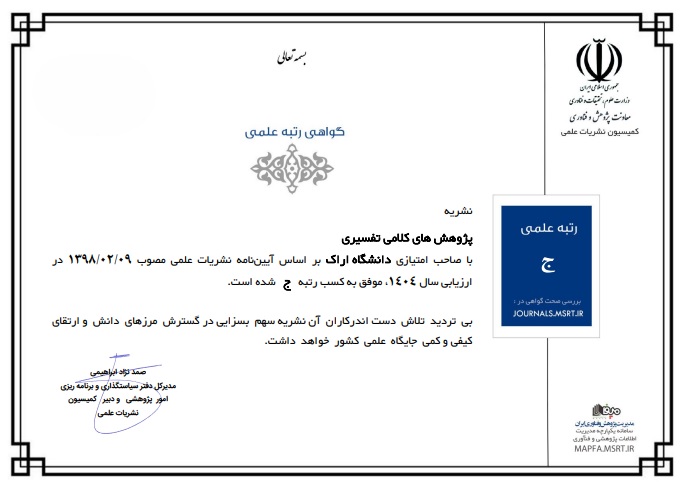
مجله پژوهشهای کلامی تفسیری آماده انتشار مقالات علمی–پژوهشی و تخصصی در حوزههای علم کلام و مطالعات میانرشتهای کلامی–تفسیری است. این مجله با رویکردی مسئلهمحور، از پژوهشهای نظری، تحلیلی و انتقادی در محورهای زیر استقبال میکند:
۱. محورهای اختصاصی علم کلام مجله از مقالاتی که بهصورت مستقل و تخصصی به مباحث کلامی میپردازند استقبال میکند، از جمله: • پژوهش در چالشها و مسائل نوپدید کلامی مرتبط با جهان معاصر • بررسی، تحلیل و نقد دیدگاههای متکلمان اسلامی در حوزههای: o توحید o نبوت o امامت o معاد • تبیین و بازخوانی باورهای اعتقادی با رویکردهای: o عقلی o نقلی o فلسفی–کلامی • نقد جریانها، نظریهها و قرائتهای جدید در الهیات و کلام اسلامی
2. محورهای میانرشتهای کلامی–تفسیری یکی از محورهای اصلی مجله، پژوهشهای میانرشتهای است که به تعامل علم کلام و تفسیر قرآن میپردازند، از جمله: • بررسی تأثیر مبانی و نظریههای کلامی بر تفسیر آیات قرآن (مانند آیات مربوط به توحید، صفات الهی، نبوت، معاد و برزخ) • تحلیل نقش تفسیر قرآن در شکلگیری یا اصلاح دیدگاههای کلامی • نقد و ارزیابی رویکردهای تفسیری متکلمان و رویکردهای کلامی مفسران • مطالعه تطبیقی دیدگاههای کلامی–تفسیری اندیشمندان اسلامی
سیاستها و ویژگیهای مجله • مجله پژوهشهای کلامی تفسیری بهصورت فصلنامه و توسط انتشارات دانشگاه اراک منتشر میشود. • سیاست اصلی مجله بر تسریع فرآیند داوری، شفافیت و تعیین تکلیف مقالات در حداقل زمان ممکن است. • مجله آماده دریافت جدیدترین نتایج تحقیقات، پژوهشهای بنیادین و ایدههای نو از اساتید، پژوهشگران، طلاب و دانشجویان حوزه و دانشگاه میباشد.
مجله پژوهشهای کلامی تفسیری بهصورت فصلنامه توسط انتشارات دانشگاه اراک منتشر میشود. مجله آماده دریافت جدیدترین نتایج تحقیقات مربوط به حوزه کلامی با محوریت تفسیر قرآن کریم میباشد. سیاست اصلی این مجله بر تسریع فرآیند داوری و تعیین تکلیف مقالات در حداقل زمان ممکن استوار شده است. لذا از کلیه اساتید، دانشجویان، پژوهشگران و فعالین حوزه و دانشگاه دعوت میشود که حاصل تحقیقات جدید، پژوهشهای بنیادین و ایدههای نو خود در این زمینه را جهت انتشار به این نشریه ارسال نمایند.
انتشار مجله علمی پژوهشهای کلامی تفسیری در جلسهی هیات نظارت بر مطبوعات مورد موافقت قرار گرفته و وزارت فرهنگ و ارشاد اسلامی (معاونت امور مطبوعاتی و اطلاعرسانی) مجوز انتشار نشریه را به شمارهی 94288 در تاریخ 1402/5/16صادر نموده است.
برای جلوگیری از سرقت ادبی، مقالات دریافت شده از طریق سامانه همانندجو ایران داک مشابهتیابی میشوند.
مدت زمان داوری به طور متوسط 2 ماه و نوع داوری، دوسو ناشناس (Double Blind Peer Review) است.
فلودیاگرام مراحل داوری و پذیرش مقاله در قسمت فرایند پذیرش مقالات شرح داده شدهاست.
دسترسی به مقالات این سایت آزاد و دانلود مقالات از سایت مجله رایگان میباشد.
این نشریه با احترام به قوانین اخلاق در نشریات تابع قوانین کمیتۀ اخلاق در انتشار (COPE) میباشد و از آییننامه اجرایی قانون پیشگیری و مقابله با تقلب در آثار علمی پیروی مینماید.
چکیده تجربیات نزدیک به مرگ Near-death experience اصطلاحی است برای حالاتی که برای برخی افراد در مواقعی خاص که شبیه به حالت مرگ است پدیده آمده است. این مسئله، با انتشار کتاب «زندگی پس از زندگی» ریموند مودی، بهطور جدی مورد توجه قرار گرفته است. با وجود تحقیقات گسترده علمی؛ فلسفی و روانشناختی چیستی این پدیدهها همچنان مبهم بوده که ضرروت تحقیق را بدلیل تاثیرات عمیق بر فرد و جامعه هویدا مینماید. خروج از بدن، ادراکات خارج از آن و برگشت به بدن از مولفههای مورد اتفاق در همه این تجارب است. مقاله حاضر با هدف تحلیل چیستی تجربیات نزدیک به مرگ، رویکردی کلامی-تفسیری اتخاذ کرده و بر آموزههای اسلامی در خصوص حقیقت انسان و عوالم ظاهری و باطنی هستی تمرکز دارد. یافتهها نشان میدهد تجربهگران هنگام فاصله گرفتن از بدن مادی در ساحت نفسانی و حواس باطنی و خیال خود بوده که عموم آنها صحنههای طول زندگی را بازبینی کرده و یا با تصاویر ساختگی خیالی و شیطانی مواجه شدهاند. در برخی موارد از طریق قوۀ خیال به عالم برزخ وارد شده و حقایق برزخی را مشاهده نمودهاند.
چکیده عصمت انبیاء از ارکان اساسی کلام اسلامی و شرط اعتبار وحی و هدایت الهی است. با این حال، برخی آیات قرآن کریم، بهویژه در داستان حضرت موسی(ع) در سورههای قصص و شعراء، در نگاه نخست تعابیری را دربر دارند که بهظاهر با اصل عصمت ناسازگار مینمایند؛ از جمله نسبت «عمل شیطانی»، «ظلم به نفس» و «ضلالت». این تعابیر، در طول تاریخ اندیشه اسلامی، منشأ بروز شبهات و اختلاف دیدگاههای کلامی شدهاند.پژوهش حاضر با رویکردی تحلیلی ـ توصیفی و با بهرهگیری از روش تحلیل سندی و دلالی، روایت مشهور امام رضا(ع) در تبیین عصمت حضرت موسی(ع) را بررسی میکند. در بخش سندی، وضعیت راویان حدیث بر اساس منابع رجالی امامیه ارزیابی میشود و در بخش دلالی، با تکیه بر تحلیل لغوی، سیاق آیات و روش تفسیر قرآن به قرآن، دلالتهای روایت واکاوی میگردد. نتایج پژوهش نشان میدهد که تعابیر مورد مناقشه، ناظر به معانی غیر اصطلاحی و سیاقیاند و هیچگونه دلالتی بر ارتکاب گناه یا خطا از سوی حضرت موسی(ع) ندارند. این روایت، افزون بر رفع تعارض ظاهری آیات با اصل عصمت، الگویی روشمند برای مواجهه با آیات متشابه در کلام اسلامی ارائه میدهد.
چکیده عصمت پیامبران از مباحث بنیادین و تأثیرگذار در حوزه کلام اسلامی است که ماهیت و گستره آن از دیرباز محل اختلاف میان اندیشمندان و پیروان مذاهب اسلامی بوده است. به همین دلیل، از گذشته تاکنون آثار متعددی از سوی متکلمان و مفسران در این زمینه نگاشته شده و دیدگاههای گوناگونی مطرح گردیده است. با این حال، پرسش اساسی این است که آیا این آثار بر پایه رویکردی روشمند و منسجم ویکسان سامان یافتهاند یا خیر؟ این پژوهش با روش توصیفی ـ تحلیلی و با مراجعه به منابع متعدد کتابخانه به ارزیابی همگرایی و واگرایی این آثار میپردازد، یافتههای تحقیق نشان میدهد که آثار قرآنی عصمت انبیا، با وجود اشتراکات بنیادین، دارای «افتراقات روششناختی و محتوایی» عمیق هستند. از یک سو،قرآن پژوهان در مواردی همچون استناد به آیات کلیدی، تأکید بر عصمت پیامبران الهی و بررسی شبهات رایج، همپایا هستند و حتی از نظر ساختاری، نوعی تکرار الگوها در این آثار مشهود است. از سوی دیگر، شکافهای جدی در قرائتها وجود دارد؛ از جمله تفاسیر متفاوت از سیاق آیات، اختلاف در حجیت مستندات روایی، و بهرهگیری از روشهای تفسیری ناهمگون. علاوه بر این، تفاوتهای بنیادین میان قرآنپژوهان شیعه و اهل سنت در تعریف قلمرو و ابعاد عصمت، و همچنین محدود بودن بررسیهای تطبیقی با سایر ادیان، موجب گردیده تا قرائتهای متضادی از موضوع عصمت پدیدآید. بنابراین،در حالی که هسته اصلی بحث در همه آثار مشترک است، تفاوتهای روششناختی و محتوایی، باعث شده است تا نتایج و تفسیرهای نهایی از هم فاصله بگیرند
چکیده مسئلهی «تأویل» در قرآن از دیرباز یکی از محوریترین مباحث در علوم قرآنی و فلسفهی تفسیر بوده است. اختلاف در تبیین ماهیت تأویل، به پیدایش رویکردهای متنوع و گاه متعارض انجامیده است. در اندیشهی معاصر، دو قرائت شاخص بیش از دیگر دیدگاهها برجستگی یافتهاند: نخست، نظریهی فلسفی–شهودی علامه طباطبایی که بر پایهی حکمت متعالیه، «تأویل» را حقیقتی عینی در مرتبهی متعالی قرآن و در «لوح محفوظ» دانسته و دسترسی به آن را تنها برای راسخان در علم، در پرتو مرتبهای فراتر از فهم عادی و حصولی، قابل وصول میداند؛ و دوم، دیدگاه ادبی–اصولی آیتالله معرفت که «تأویل» را فرایندی عقلایی برای بازگرداندن متشابهات به محکمات بر اساس سیاق، قواعد زبان و عقل عرفی میفهمد. این پژوهش با رویکرد تحلیلی–تطبیقی، به بررسی مبانی این دو دیدگاه پرداخته و نشان میدهد که نقد آیتالله معرفت بر نظریهی علامه، به دلیل داوری برونافقی و عدم توجه به نظام فلسفی–تفسیری علامه، با چالش جدی روششناختی مواجه است. در این چارچوب، «تأویل» نزد علامه نه کشف ملاکات احکام، بلکه کشف شهودی حقیقت هستیشناختی متن در مرتبهای فراتر از الفاظ است؛ امری که تنها در پرتو حکمت متعالیه قابل تبیین است. این تحلیل، انطباقهایی با مباحث هرمنوتیک فلسفی معاصر نیز دارد؛ جایی که متفکرانی چون گادامر و ریکور بر «افقهای متفاوت فهم» و «چندلایگی معنای متن» تأکید کردهاند. نوآوری این پژوهش در آن است که تعارض میان دو رویکرد را نه در سطح روشهای تفسیری، بلکه در تفاوتهای بنیادین معرفتشناختی و هستیشناختی آشکار میسازد. این نتیجه الگویی روششناختی برای مطالعات تطبیقی در علوم قرآنی به دست میدهد و نشان میدهد که نقد معتبر تنها زمانی امکانپذیر است که مبانی هر نظریه ابتدا بازسازی شده و سپس در همان افق مورد ارزیابی قرار گیرد.
حمزه علی Hamze Ali، علی سلیمانی، مریم السادات هاشمی
چکیده جریان فکری ـ مذهبی برائتیها به جریانی اطلاق میشود که با برجستهسازی آموزه تولی و تبری، نگاهی تنگنظرانه به مسئله تقریب مذاهب اسلامی اتخاذ میکند. این جریانها با ارائه خوانشی خاص از قرآن کریم، هرگونه حرکت تقریبی میان مذاهب اسلامی را نفی کرده و آن را مغایر با مفاهیم اصیل دینی میدانند و گاه بهصورت آشکار به لعن، نفرین و بیاحترامی نسبت به خلفا، صحابه و مقدسات اهلسنت میپردازند. این جریان فکری شیعی برای رفتارها، کنشها و باورهای خود، مجموعهای از استدلالهای عقلی، قرآنی، روایی، اجتماعی و سیاسی اقامه میکند. در عرف مذهبی ـ سیاسی ـ اجتماعی، جریان موسوم به شیرازیها یکی از عناصر اصلی این طیف برائتی بهشمار میآید.این پژوهش با تمرکز بر منابع اصلی جریان شیرازیها و با بهرهگیری از روش توصیفی ـ تحلیلی و رویکردی انتقادی، در گام نخست به تبیین دیدگاهها و مهمترین استدلالهای قرآنی این جریان میپردازد و سپس به تحلیل و ارزیابی نحوه تفسیر و فهم آنان از آیات قرآن کریم اقدام میکند.یافتههای پژوهش نشان میدهد که استدلالهای قرآنی این جریان با چالشهای جدی مواجه است؛ از جمله، خروج از سیاق تاریخی آیات و بیتوجهی به شأن نزول، تعمیم ناروای مفاهیمی چون شرک، کفر و ظلم، ناسازگاری با سیره عملی ائمه اطهار(ع) در تعامل با دیگر مسلمانان، تعارض با مبانی فقه امامیه بهویژه در تفکیک میان «اسلام» و «ایمان»، و مخالفت با رویکرد وحدتگرایانه علمای برجسته شیعه. افزون بر این، رویکردی ظاهرگرا و اخباری در مواجهه با آیات قرآن، تکیه بر تطبیقهای مصداقی بدون ملاحظه مصالح عالیه امت اسلامی، دامنزدن به تنشهای مذهبی، وهن تشیع، تضعیف وحدت جهان اسلام، تبدیل لعن به یک کنش اجتماعی و اطلاق مفاهیمی چون «کافر» و «عدو» بر اهلسنت، از دیگر پیامدهای قابل انتقاد این قرائت بهشمار میآید
چکیده آیه هفتم سوره مبارکه ضحی (وَ وَجَدَکَ ضَالّاً فَهَدَى) از دیرباز محل بحث و نظر مفسران فریقین بوده است. دیدگاههای مطرحشده در تفسیر این آیه، دامنهای گسترده را دربرمیگیرد. پژوهش حاضر با رویکردی توصیفی-تحلیلی و با بهرهگیری از روش تفسیر قرآن به قرآن، به واکاوی آیه در چارچوب اندیشهی امام خامنهای پرداخته است. یافتههای تحقیق نشان میدهد که تفاسیر یادشده، در عین برخورداری از مراتب مختلفِ صحت و اعتبار، در طول یکدیگر قابلجمعاند و هیچیک نافیِ دیگری نیست. از این میان، تفسیر «گمراهی شرکآلود» بهاتفاق علمای فریقین مردود است؛ دیدگاه «عدم هدایت ذاتی انسان»،نیز بهعنوان تفسیری عمیق و همسو با رویکرد امام خامنهای شناخته میشود؛ و تفاسیر نازلتر مانند «گمشدن در کودکی» یا «ناآشنایی با تجارت»، بهعنوان لایههایی تاریخی از معنای آیه، در طول مراتب بالاتر قابلپذیرشاند. اما آنچه بهعنوان عمیقترین و والاترین لایهی معنایی آیه از منظر امام خامنهای ارائه میشود، مفهوم «رستاخیز درونی» است. این نظریه اشاره به وضعیت پیامبر پیش از بعثت دارد که با برخورداری از فطرتی پاک و درونمایههای سرشار انسانی، اما فاقد دسترسی به معارف عمیق و صراط مستقیم وحیانی بود. این گمگشتگی وجودی منتظر هدایت، با بعثت الهی به رستاخیزی عظیم در درون آن حضرت انجامید؛ رستاخیزی که تمامی مایههای ودیعهنهاده را بیدار ساخت و مقدمهی تحول بنیادین در جامعه بشری گردید. این تفسیر که با استشهاد به آیات سورههای علق و نجم مستند شده است، ضمن هماهنگی کامل با اصل عصمت و تفاسیر پیشین در مراتب نازلتر، معنایی جامع، عمیق و اصیل از آیه ارائه میدهد
چکیده فراماسونری که فعالیت های سیاسی خود را با تلاش های دولت انگلیس در قرن17م. آغاز کرد، به تدریج آرمانهای خود را در سطح جهانی میان تمدن های غرب وشرق پراکنده ساخت. متناسب با شرایط آغازین اوایل عصر قاجار، موج این جریان به سلطنت فتحعلی شاه قاجار نیز اصابت کرد و از همان زمان به طرق مختلف ایرانیان با این جریان آشنا شدند. این آشنایی آگاهی و انگیزه های جدیدی را در میان طبقات بالا و دیپلماتهای ایرانی پدید آورد که لژها را به کانونی برای ورود برنامه و آرمانهای جدید به جامعۀ ایران تبدیل ساخت. باستانگرایی به عنوان آرمانی ماسونی - غربی با کم رنگ کردن و کنار زدن فرهنگ دینی ملتها خواستار جایگزینی خود در جهان بوده است. هدف نوشتار پیش رو در پاسخ به این پرسش است که آیا فراماسون ها و تشکیلات آنان نقشی درتمایلات باستانگرایانه ایرانیان و مواجه با اندیشه دینی از دوره مشروطه تاپهلوی داشته اند؟ نتیجه پژوهش می نمایاند که فراماسونری در قرن 18 م. تفکرات باستانگرایی ایرانیان را که از قرن ها پیش در اذهان ایرانیان وجود داشت زنده و پرورش داده و آن را ارتقا داده و به یک تفکر ایدئولوژیک با برنامه تبدیل ساخت.
چکیده در قرآن از تورات، الواح، صحف و غیره سخن بهمیان آمده است و از سوی دیگر تنخ(عهدعتیق)بهدلیل اینکه کتاب آسمانی یهودیان بهحساب میآید و تشکیلدهنده بخش نخست عهدین(عهدعتیق و عهدجدید) مسیحیان است، دارای اعتبار و جایگاه منحصر بهفرد از نظر یهودیان و مسیحیان است. در قرآن نیز فراوان از کتاب-مقدس بنیاسرائیل سخن گفته شده است. میان آنچه در قرآن درباره کتابهای مقدس یهودیان بیان شده و تنخ(عهدعتیق)چه رابطهای برقرار است؟ آیا تنخ(عهدعتیق)مورد تأیید قرآن است؟ برخی بر این اعتقادند که مراد و مصداق از آیات قرآنی، تنخ(عهدعتیق) که در عهدین گرد آمده، است، از این رو برای آن نوعی تقدّس و حجّیت قائلند. این تحقیق با روش توصیفی-تحلیلی در مرحله نخست به کتابهایی که قرآن به حضرت موسی نسبت داده، پرداخته و مراد از آنها را مشخص کرده است و در ادامه رابطه آن کتابها و نوشتهها را با تنخ(عهدعتیق)بررسی کرده است. نتیجه حاصله حکایت از آن دارد که تنخ(عهدعتیق)موجود مورد تأیید قرآن نمیتواند باشد.
چکیده هدف پژوهش حاضر بررسی تأثیر آموزش به شیوه معکوس بر خودگردانی یادگیری و پیشرفت تحصیلی دانشجویان در درس تاریخ تحلیلی صدر اسلام بود. روش پژوهش حاضر نیمه آزمایش با طرح پیش آزمون-پس آزمون بود. جامعه آماری پژوهش حاضر شامل کلیه دانشجویان دانشگاه اراک بود. نمونهی پژوهش به شیوه در درسترس و به تعداد 58 نفر انتخاب و به شیوه همتاسازی در دو گروه مختلف قرار گرفتند. ابزار مورد استفاده در پژوهش حاضر، مقیاس خودگردانی یادگیری پینتریچ و دیگروت (1990) بود. جهت تجزیه و تحلیل دادهها نیز از روشهای آمار توصیفی و استنباطی تحلیل کوواریانس تک متغیره و چند متغیره استفاده گردید. نتایج تحلیل کواریانس تک متغیره، نشان داد که آموزش یادگیری معکوس بر یادگیری خودگردان دانشجویان تأثیر معناداری نداشته است اما بر پیشرفت تحصیلی دانشجویان تاثیر معنادار و مثبتی داشته است. همچنین یافتههای تحلیل کواریانس چندمتغیره نیز حاکی از آن بود که یادگیری معکوس بر راهبردهای شناختی و راهبردهای فراشناختی دانشجویان تأثیر معناداری نداشته است.
حمید امامی فر، محمد ابراهیمی راد ابراهیمی راد، محمد غلامی، نورالله کریمیان کریمی
چکیده مسئله «خلود و جاودانگی عذاب» برخی از دوزخیان، از مباحث مهم تفسیری و کلامی است و همیشه مورد توجه و اهتمام اندیشمندان اسلامی بوده است. سؤال اساسی در مسئله مذکور، سازگاری آن با عدل الاهی است که آیا عذاب ابدی و نامحدود، برای ارتکاب اعمال خلاف «محدود» دنیایی، با عدل الاهی سازگار است؟ در این زمینه بین اندیشمندان اسلامی تفاوت دیدگاه وجود دارد. برخی از آنان، خلود و عذاب ابدی را با عدل الاهی ناسازگار دانسته و در نتیجه نظریه «انقطاع عذاب دوزخ» را برگزیدهاند. برخی دیگر، خلود و عذاب ابدی را با عدل خدا منافی ندانسته و در نتیجه به خلود و دوام عذاب معتقد شدهاند. آیتالله جوادی آملی ازجمله اندیشمندانی است که خلود و عذاب ابدی را با عدل خدا ناسازگار ندانسته و در زمینه تبیین خلود و دوام عذاب برای برخی از دوزخیان، دلایلی عقلانی ارائه کرده است. در این پژوهش، با روشِ تحلیلی-توصیفی، دلایل عقلی ایشان بر خلود و دوام عذاب، مورد ارزیابی و نقد قرار گرفته و بیان شده است که با این دلایل نمیتوان خلود قرآنی را تبیین عقلانی و مسئله تعارض خلود با عدل الاهی را مرتفع کرد؛ اگرچه اصل ظهور آیات قرآن مبنی بر خلود و عذاب ابدی برای برخی از دوزخیان، قطعی و غیرقابلانکار است.
چکیده انقلاب اسلامی ایران چهلسالگی خویش را پشت سرگذاشت و شکوفایی و سرزندگی و بلوغ اجتماعی خویش را در معرض نمایش گذاشت. در چنین مطلعی و مقطعی، رهبر حکیم و فرزانه انقلاب اسلامی، با صدور بیانیه گام دوم انقلاب، به بازخوانی کارنامه انقلاب اسلامی ایران و برشماری دستاوردها، فتوحات، افتخارات و برکات گذشته و تبیین آسیبها و تهدیدها و فرصت ها و ظرفیتهای مختلف کنونی جامعه و طراحی راهبردهای حرکت آینده و مأموریتهای تمدنی جوانان آن پرداختند. یکی از این راهبردها، راهبردهای سیاست خارجی است که مبتنی بر قاعده نفی سبیل است. در این مقاله با بهره گیری از منابع کتابخانه ای و روش توصیفی تحلیلی، با هدف کشف راهبردهای سیاست خارجی مبتنی بر قاعده نفی سبیل از متن بیانیه گام دوم انقلاب راهبردهای استقلال و آزادی، حکمت و مصلحت، عزت، امنیت و اقتدار و ایستادگی، عدم میل و اعتماد به غرب و نداشتن رابطه دوستانه با غرب و نیز نفی سلطه بیگانگان به دست آمد.
چکیده از نظر اسلام و آیات قرآن «مردم» یکی از ارکان اساسی حکومت هستند و وحدت و همدلی بین مردم و دولت لازمه جامعه اسلامی است. با مطالعهی منابع اسلامی، میتوان به خوبی درک کرد که اسلام نه تنها بر جنبههای معنوی انسان، اخلاقیات، تقوای افراد و رابطهی انسان با خدا تأکید داشته، بلکه عنایت زیادی به روابط اجتماعی میان مردم و ادارهی امور جامعه داشته است. مصداق بارز حکومتداری اسلامی، دوران هر چند کوتاه زمامداری امام علی(ع) است که ایشان بیشترین تلاش را در جهت همدلی و اعتماد متقابل بین مردم و دولت داشته است. حضرت برای رسیدن به این هدف، از راهکارها و شیوههایی بهره جستهاند که آشنایی با آنها میتواند جوامع اسلامی را برای تحقق مدینه فاضله یاری دهد. بدیهی است، بهترین راه برای آشنایی با نحوه حکومتداری و راهکارها و شیوههای ایشان برای همدلشدن مردم و دولت و تقویت اعتماد متقابل بین آنها بررسی سخنان، نامهها و سفارشهای آن حضرت در نهجالبلاغه است. باتوجه به اینکه پژوهشگران مختلفی از منظر اخلاقی به این موضوع پرداختهاند، مقالهی حاضر که با استفاده از روش اسنادی و با هدف آشنایی با مهمترین راهکارهای تقویت اعتماد متقابل بین دولت و مردم از منظر حقوقی تدوین شده، تلاش شده است اهمیت «مردمداری» و «ارتباط با مردم» از منظر حضرت علی(ع) در قالب شیوههای مردمداری و اصول حاکم بر اصل مردمداری در نهجالبلاغه مورد بررسی قرار گیرد تا پویندگان راستین راه آن امام بزرگوار بتوانند از این آموزهها بهرهمند شوند.
چکیده چگونگی تحقق حکومت جهانی مهدوی و چگونگی برخورد امام مهدی علیهالسلام با پیروان ادیان، مذاهب اسلامی و مخالفان یکی از عرصههای مهم مهدویتپژوهی در عصر حاضر به حساب میآید. این مقاله درصدد است با روش نقلی- تحلیلی به وضعیت پیروان ادیان الهی و غیر الهی و مذاهب اسلامی و مخالفان در عهد حکومت جهانی مهدوی بپردازد. برای تحقق این امر مقاله در دو بخش تنظیم شده است، بخش نخست به اصل حضور یا عدم حضور پیروان ادیان، مذاهب اسلامی و مخالفان پرداخته است و نتیجه حاصله حکایت از آن دارد که پیروان ادیان الهی چون مسیحیت و یهودیت در آن عهد حضور خواهند داشت، اما پیروان مذاهب مختلف اسلامی و مخالفان حضور نخواهند داشت. بخش دوم به وضعیت گروههای موجود در عهد حکومت جهانی مهدوی پرداخته و نتایج حاصله حکایت از آن دارد که گروههای مزبور در امنیت و آسایش کامل به سر خواهند برد و براساس حقیقت و عدالت با آنها برخورد خواهد شد.